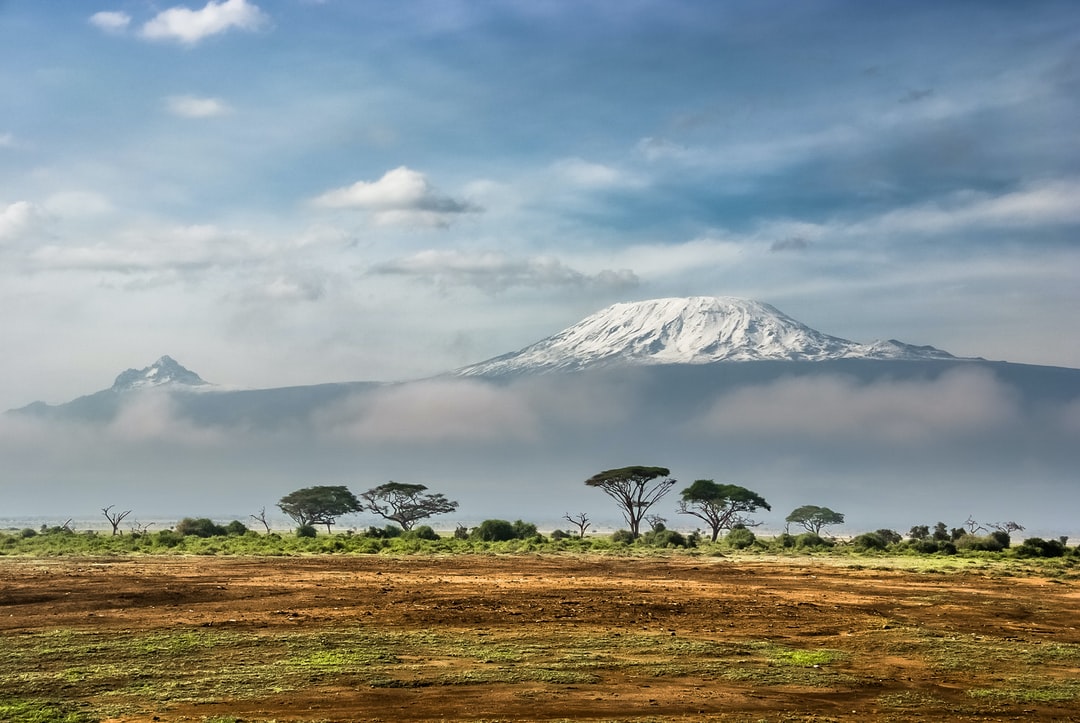
Mount Kilimanjaro rising above the Tanzanian landscape
Dunia Moja Tours

The roof of Africa

Meet the
mountain.

A carefully guided ascent through rainforest, moorland, alpine desert and the summit of Africa's highest mountain.

Explore routes
5,895m Uhuru Peak
6–9 Days on route
5 Climate zones
No ropes Trekking peak, not technical

A different kind of journey

The summit is the goal.
The journey is the story.

Kilimanjaro asks for more than endurance. It rewards a steady pace, thoughtful preparation and the willingness to let the landscape unfold one day at a time.

With a dedicated local crew, clear planning and room to acclimatise, we help you focus on the experience while we take care of the details.

The climb, explained

One mountain, five worlds — and you walk through every one of them.

Rainforest zone on Kilimanjaro 01
Days 1

Rainforest

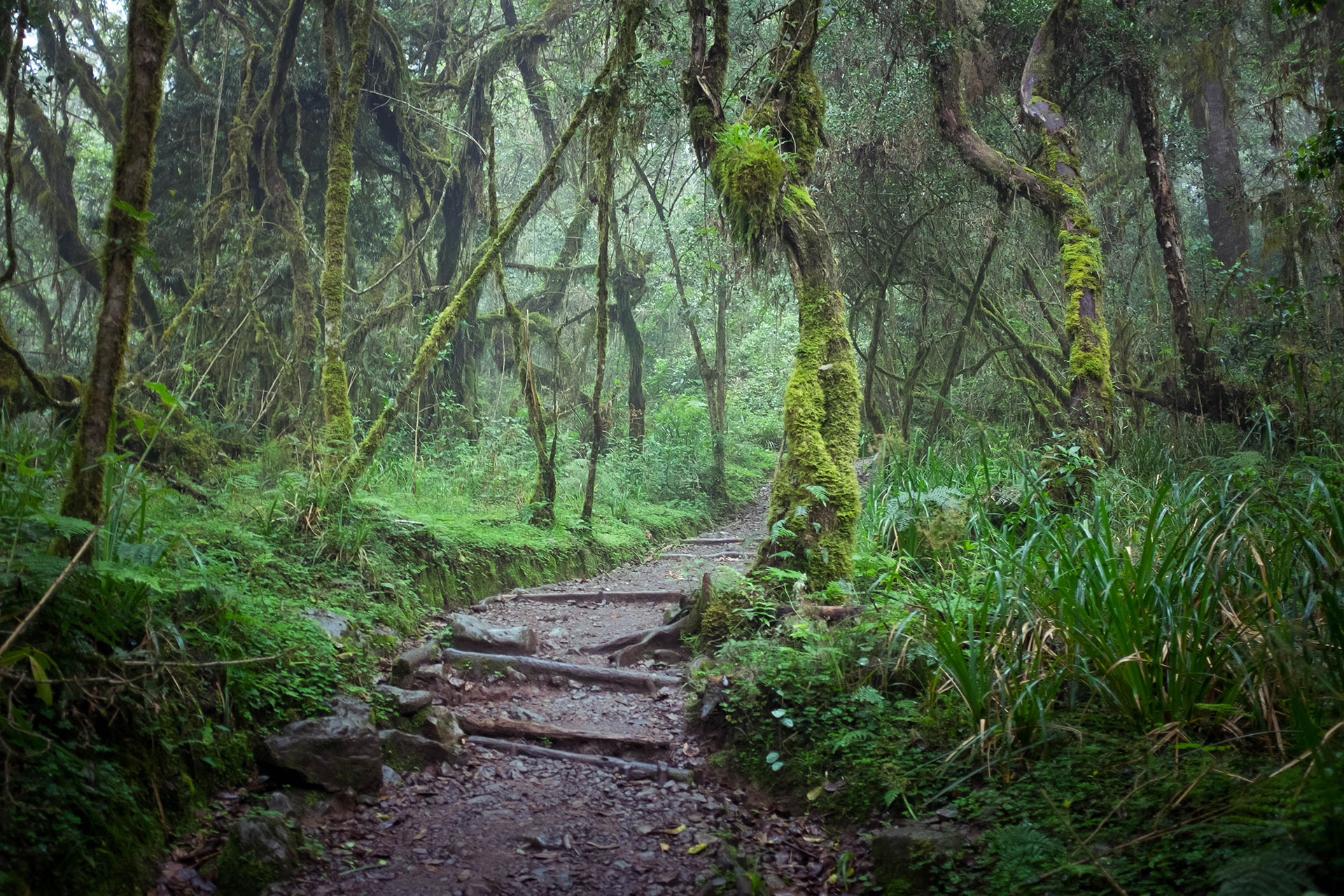
The climb begins under a dense, dripping canopy. Colobus monkeys move overhead, streams cut across the trail, and the air stays humid until the trees begin to thin.

Altitude 1,800m – 2,800m
Typical temp 20°C to 12°C
Heath & Moorland zone on Kilimanjaro 02
Days 2

Heath & Moorland

The forest gives way to open heather and giant lobelias silhouetted against wide skies. This is where the mountain first shows its full shape, and where altitude starts to make itself known.

Altitude 2,800m – 3,500m
Typical temp 15°C to 5°C
Alpine Desert zone on Kilimanjaro 03
Days 3–5

Alpine Desert

Vegetation nearly disappears. Volcanic scree, thin air and enormous silence replace it. Days are bright and intense; nights fall fast and cold — the mountain's starkest, most striking stretch.

Altitude 3,500m – 4,200m
Typical temp 10°C to −5°C
Arctic Zone zone on Kilimanjaro 04
Days 5–6

Arctic Zone

Glacial rock and ice fields under a sky that feels closer than it should. Oxygen thins noticeably here, and pace becomes everything — this is where "pole pole" (slowly, slowly) stops being a suggestion.

Altitude 4,200m – 5,000m
Typical temp 0°C to −15°C
The Summit zone on Kilimanjaro 05
Summit night

The Summit

A pre-dawn push over frozen scree to Uhuru Peak, arriving as the sun rises over the crater rim and the curve of Africa spreads out below. Then, the long walk back down to the rainforest you started in.

Altitude 5,000m – 5,895m
Typical temp −10°C to −20°C
Climb high, sleep low

What the ascent actually looks like — day by day.

The Lemosho route, shown below, is built around acclimatisation: the detour up to Lava Tower on day four exists purely so you sleep several hundred metres lower than your highest point that day — the single habit that does the most to prevent altitude sickness on the mountain.

5900m 3800m 1700m Londorossi Gate 2,100m · Day 1 Mti Mkubwa 2,650m Shira 1 3,500m · Day 2 Shira 2 3,850m · Day 3 Lava Tower 4,600m · acclimatise Barranco 3,900m · Day 4 Karanga 4,200m · Day 5 Barafu 4,673m · Day 6 Uhuru Peak 5,895m · Day 7 Mweka Camp 3,100m Mweka Gate 1,640m · Day 8

Lemosho route · 8 days · elevation not to horizontal scale

Choose your ascent

Routes with character.

Each route has its own rhythm, scenery and acclimatisation profile. We will help you choose based on your goals and experience.

01

Scenic & gradual

Lemosho

7–8 days

7–8 days 92% summit rate

The longest approach and the best acclimatisation profile of any route — our most-recommended option for first-time climbers.

Difficulty
Enquire about Lemosho
01

Classic adventure

Machame

6–7 days

6–7 days 85% summit rate

Steeper and more varied terrain, known as the "Whiskey Route" for its reputation — popular, scenic and a fair test of fitness.

Difficulty
Enquire about Machame
01

Quiet & remote

Rongai

6–7 days

6–7 days 88% summit rate

Approaches from the drier northern side, with fewer climbers on the trail and a gentler gradient underfoot.

Difficulty
Enquire about Rongai
What it's actually like

A typical trekking day, hour by hour.

6:30am

Wake with tea at the tent door

A crew member brings hot water and tea before you've fully opened your eyes — mornings on the mountain start gently.

7:30am

Breakfast in the mess tent

Porridge, eggs, toast and fruit, eaten while the camp is broken down around you and porters begin loading packs.

8:30am

Trek begins — pole pole

A deliberately slow pace, four to seven hours depending on the day's distance and elevation gain, with regular water and snack stops.

1:00pm

Packed lunch on the trail

Usually eaten en route rather than at camp, so the crew ahead has time to set up before you arrive.

3:30pm

Arrive at camp

Tents are already pitched. Time to rest, journal, or simply take in a view that keeps changing zone by zone.

6:00pm

Dinner and briefing

A hot meal followed by your guide's rundown of tomorrow's route, distance and what to expect.

8:00pm

Lights out early

Cold air and thin oxygen make for early nights — most climbers are asleep well before 9pm.

Summit night runs differently — departure is around midnight for a sunrise arrival at Uhuru Peak.

Fully supported, start to finish

What's carried, cooked and managed for you.

Camping equipment

Four-season tents, sleeping mats and mess tents, carried and pitched by the crew each day.

Full board on the mountain

Three hot meals a day, prepared by a dedicated mountain cook and adapted to dietary needs.

Daily health checks

Pulse oximeter readings twice a day so your guide can track acclimatisation, not just guess at it.

Experienced crew

Certified guides, assistant guides and porters — most of whom have climbed this mountain hundreds of times.

Your expedition, thoughtfully planned

Go slowly.
Climb deeply.

From route selection and packing guidance to mountain logistics and summit preparation, our team is here to make every stage feel considered.

Plan your climb