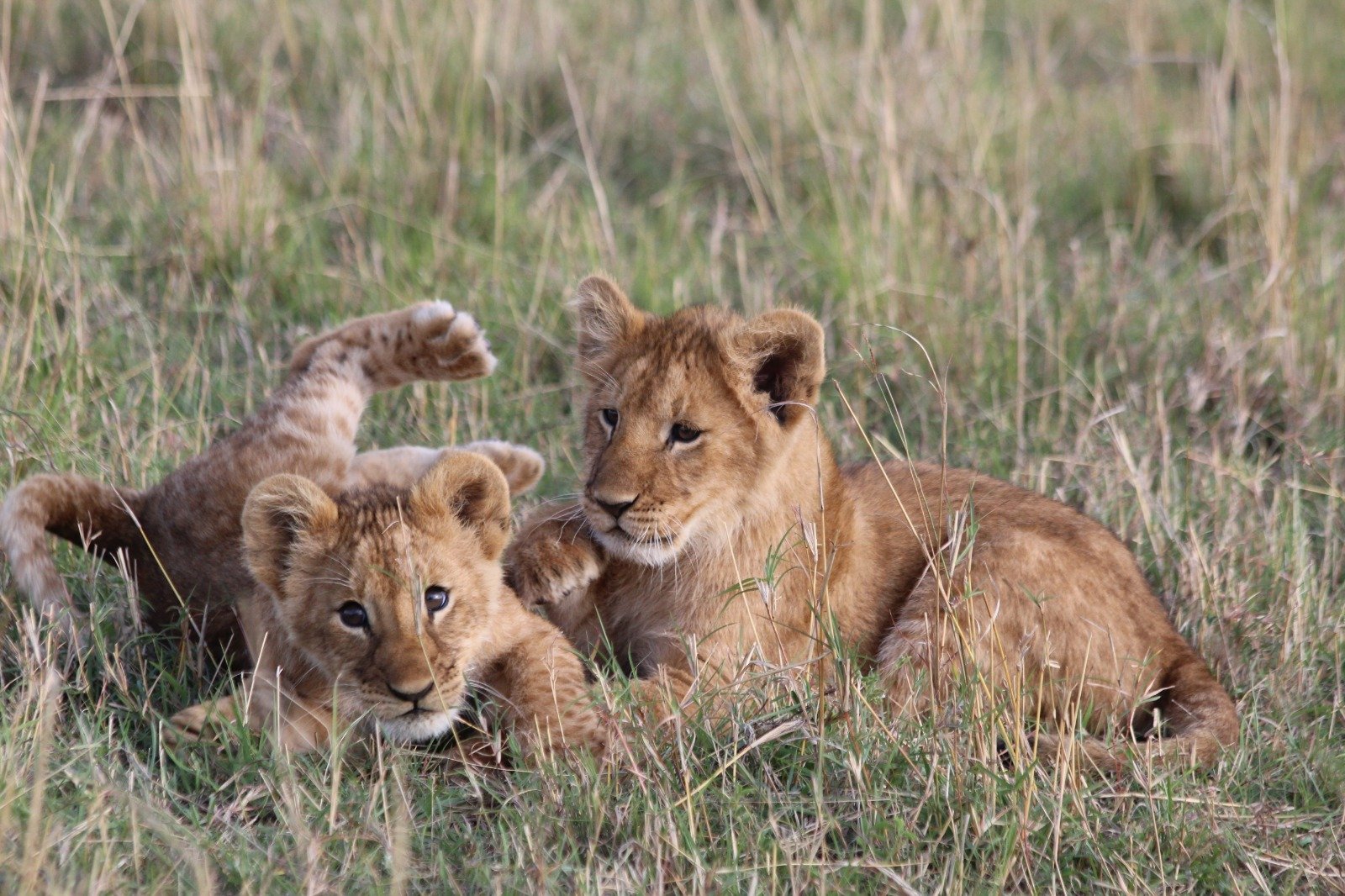
Big lion prides
Strong lion populations and good chances of leopard and cheetah.

Wildlife Parks · Southern Tanzania
Baobabs, big cats and quiet wilderness.
Ruaha is one of Tanzania’s largest and wildest national parks, a rugged landscape of baobab-studded hills, dry riverbeds and miombo woodland in the centre of the country. It sees only a fraction of the visitors of the northern parks, which gives it a sense of space and silence that many travellers find unforgettable.
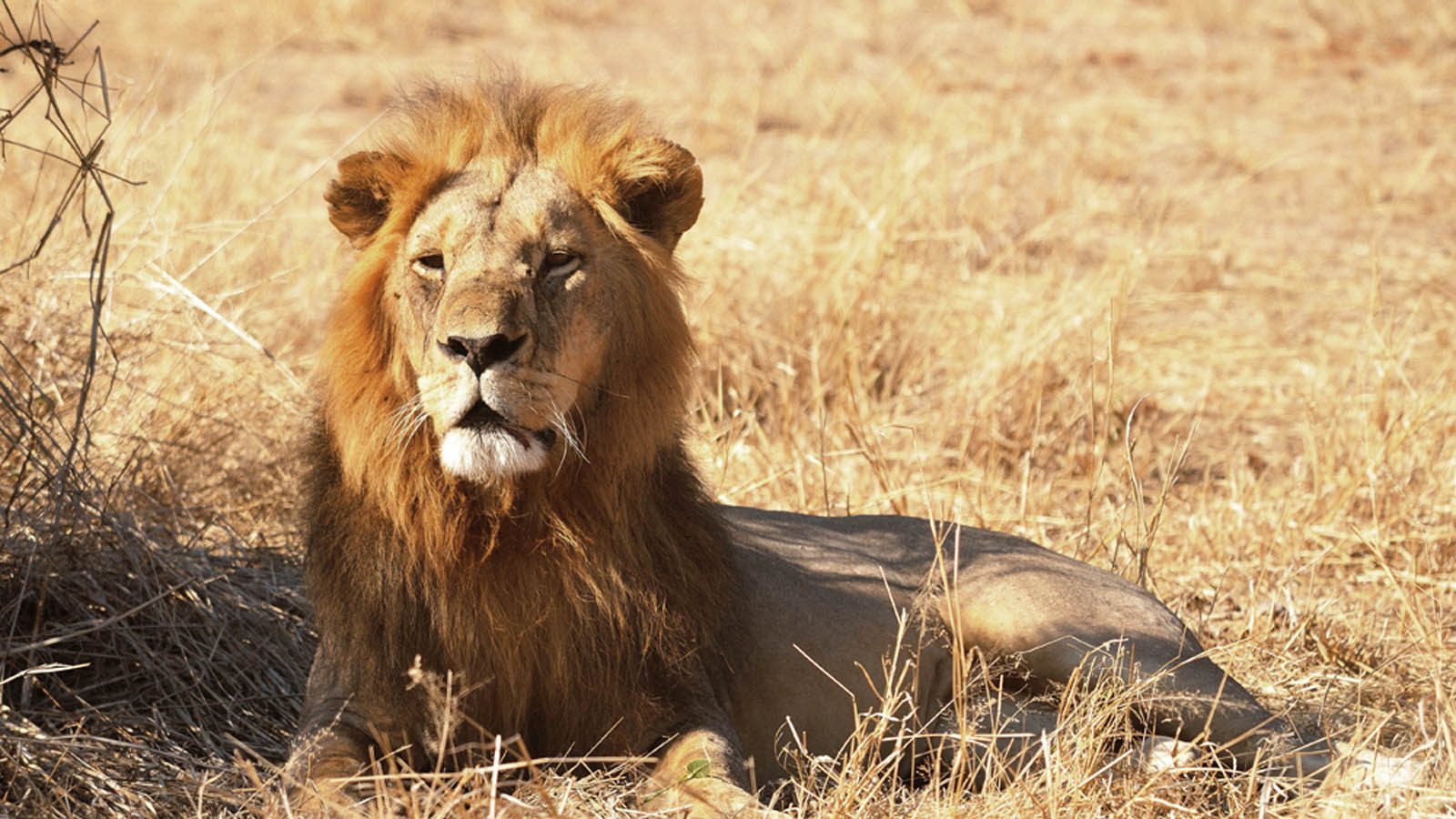
The Great Ruaha River is the lifeline. In the dry season, elephants, buffalo, giraffe and antelope come to drink, and lions, leopards and cheetah are never far behind. Ruaha is known for large lion prides and for being one of the better places in Tanzania to look for African wild dogs.
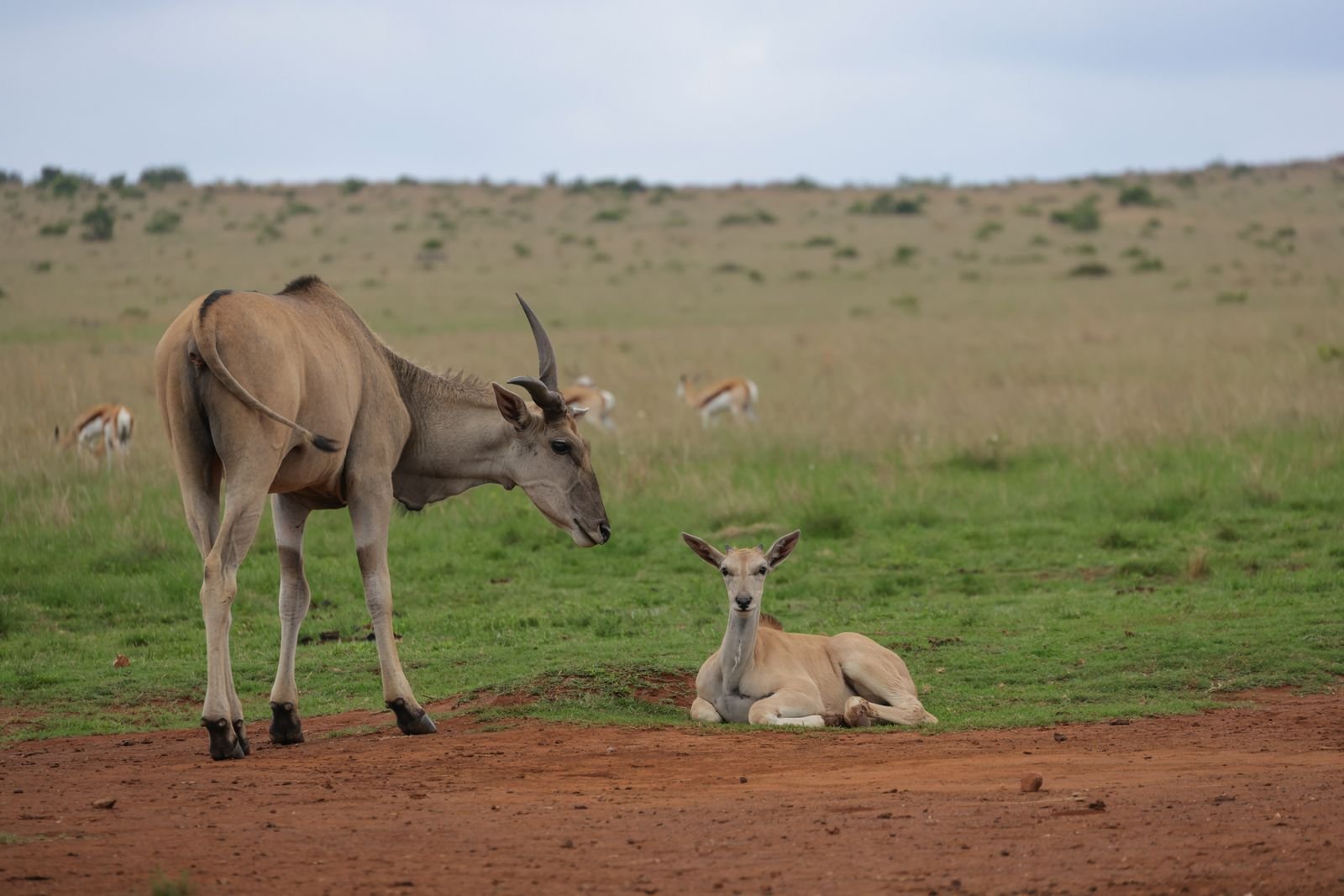
It is also a meeting point of eastern and southern African species, so you can find greater and lesser kudu, sable and roan antelope, and a long bird list that includes species not seen in the north.
Highlights
Strong lion populations and good chances of leopard and cheetah.
Greater kudu, sable, roan and many birds are found here and not in the northern parks.
Few vehicles and a vast landscape give a true wilderness feel.
Guided walks with an armed ranger are a highlight of many camps.
Experiences
Look for elephants, lions and herds that come to the river in the dry season.
Guided morning walks with an armed ranger for tracks, birds and small wildlife.
Selected camps offer a night under the stars or a bush breakfast for a stronger sense of wilderness.
Explore the dry valleys and hills, where ancient baobabs frame the landscape.
What you may see
Lion, leopard, cheetah, spotted hyena, elephant, buffalo, giraffe, zebra, impala, greater and lesser kudu, sable and roan antelope, and African wild dog when you are lucky. Birdlife is rich, with raptors, hornbills and many dry-country species.
Wildlife is wild. Sightings depend on season, weather and luck, and your guide will always put you in the best position.
Planning
The best time. Wildlife concentrates on the river and the vegetation is thin.
Lush and good for birding, with fewer visitors. Wildlife is more spread out.
Heavy rain, and many camps are closed. We generally advise against these months.
Most guests fly from Dar es Salaam, Arusha or Selous (Nyerere) on a small aircraft, taking about one to two hours. It is also possible to drive from Iringa in a few hours. We arrange flights, transfers and park fees.
A small number of camps and lodges sit close to the river, from simple tented camps to refined, luxury camps. We recommend at least three nights to enjoy the wilderness feel.
Itineraries
Combine it with
Good to know
Still unsure? Send us your question and a planner will answer personally.
They are different. The Serengeti has the Migration and more visitors. Ruaha offers solitude, large lion prides and walking safaris. Many travellers visit both.
From June to November, when wildlife gathers along the river and sightings are most reliable.
Three to four nights is ideal. It is a long way to come, so staying a little longer is worth it.
Tell us when you want to travel and what you hope to see. We will reply with a plan.