The Rufiji River and wilderness of Nyerere National Park

Southern Tanzania

One river wilderness, three ways to see it.

Nyerere is Africa's largest national park, built around the Rufiji River. It's also one of the only places in East Africa where you can trade the vehicle for a boat, or your own two feet, and see exactly the same wilderness differently.

Nyerere at a glance

30,893 km² of wilderness

Africa's largest national park

Nearly four times the size of the Serengeti, yet a fraction of the visitors — most drives pass without seeing another vehicle.

A wilderness built around one river.

Where Ruaha rewards distance and Manyara rewards compression, Nyerere rewards variety — the same landscape, approached three completely different ways.

The Rufiji River and its network of channels, oxbow lakes and lagoons are the reason Nyerere holds the wildlife it does. Away from the water, rolling miombo woodland and rocky outcrops stretch further than most visitors ever explore — this is, after all, the largest national park on the continent.

Park size
About 30,893 km² — Africa's largest national park, nearly four times the size of the Serengeti.
Location
Southern Tanzania, on the Southern Circuit alongside Ruaha, Katavi and Mahale.
Landscape
Rolling woodland, floodplain and rocky outcrops built around the Rufiji River, its channels, oxbow lakes and lagoons.
Main river
The Rufiji, Tanzania's largest river system, which flows through the park before reaching the Indian Ocean.
Wildlife
Enormous elephant, buffalo, hippo and crocodile populations, and one of Africa's most important strongholds for African wild dog.
Birdlife
More than 440 bird species recorded along the river and its wetlands.
Park history
Named after Julius Nyerere and established in 2019 from part of the former Selous Game Reserve.
Elephants and wildlife along the Rufiji River

The character of Nyerere

Space, water and few other vehicles.

  1. 1

    Africa's largest protected wilderness

    At almost 31,000 km², Nyerere is nearly four times the size of the Serengeti.

  2. 2

    A river you can leave the vehicle for

    Boat and walking safaris put you on the Rufiji and on foot, not just behind a windscreen.

  3. 3

    A stronghold for wild dog

    Nyerere holds one of Africa's most important remaining populations of this endangered predator.

  4. 4

    Remote by comparison

    Part of the quieter Southern Circuit alongside Ruaha, well away from the busier northern parks.

Same river, three completely different safaris.

Switch between the three ways Nyerere is explored. Each shows the same stretch of wilderness at a different pace, from a different vantage point.

The Rufiji River and its floodplain, seen three ways

On the Rufiji itself

Boat safari

Pace

Slow, silent, close

Nyerere offers the only regular boat-based safaris in East Africa. Drifting the Rufiji River and its lakes puts you at water level with wildlife that a vehicle never gets close to, and the current does most of the work.

What to look for

  • Enormous Nile crocodile basking on sandbanks
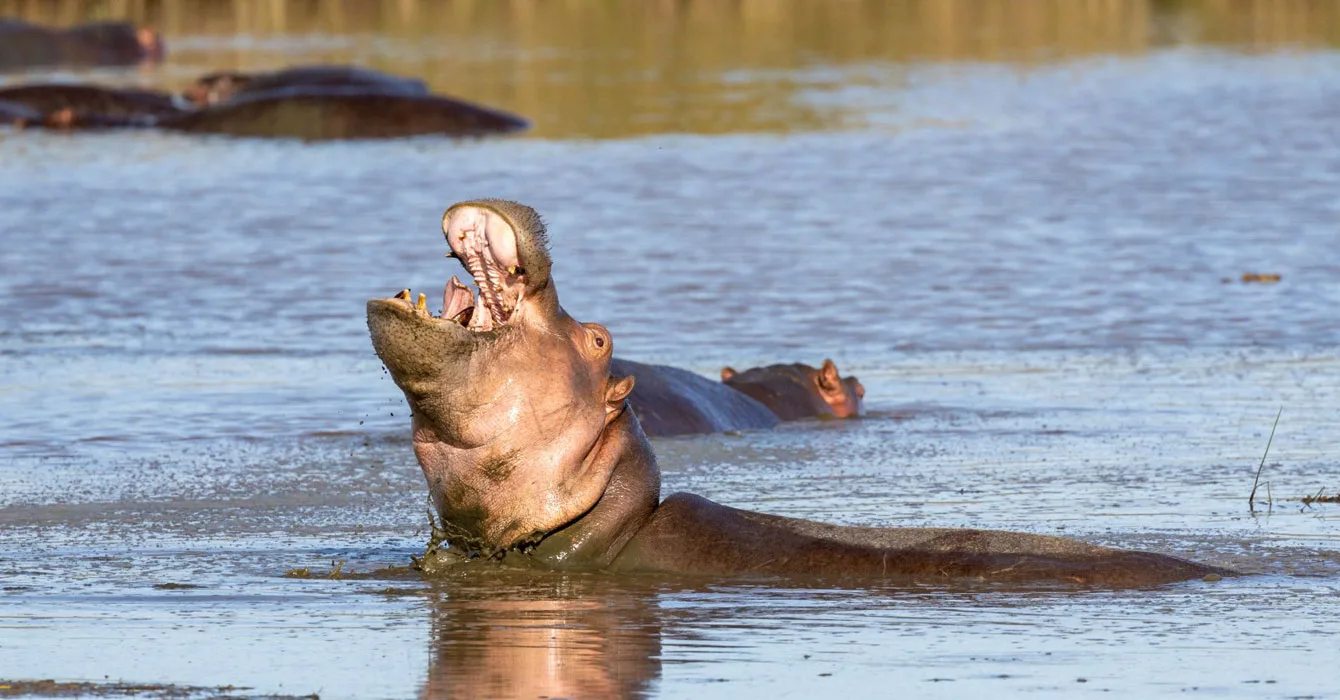
  • Pods of hippo, sometimes numbering in the hundreds
  • Elephant and buffalo drinking at the water's edge
  • Fish eagle, heron and kingfisher along the banks

A guide's tip

Ask about a trip into Stiegler's Gorge — floating through the narrow, 100-metre-deep canyon with hippo calls echoing off the walls is unlike anything else in the park.

What a park this size can hold.

Nyerere's scale supports both huge numbers along the river and species that need far more room than a smaller park could give them.

The wild dog stronghold

Nyerere's size lets wide-ranging predators exist at a scale few other parks can support.

  • African wild dog

    One of the largest remaining populations of this endangered predator anywhere in Africa.

  • Lion

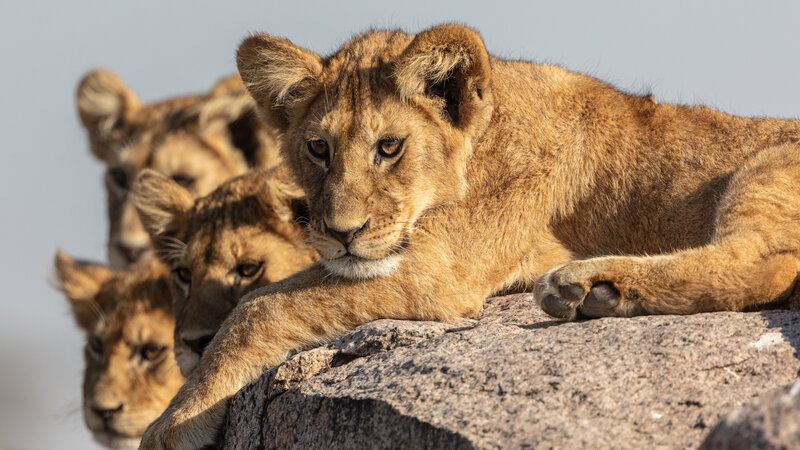
    Present but more thinly spread than in the busier northern parks — most active early and late.

  • Leopard

    Found along riverine forest and woodland edges, rarely easy to spot.

  • Spotted hyena

    Common and frequently heard around camps after dark.

River giants

The Rufiji and its lakes support wildlife concentrations rarely seen away from water.

  • Hippo

    Pods numbering in the hundreds are possible on the river and larger lakes.

  • Nile crocodile

    Some of the largest individuals in East Africa bask along the sandbanks.

  • Elephant

    An estimated population in the tens of thousands, often seen drinking at the river's edge.

  • Buffalo

    Large herds gather along the floodplain, especially in the dry season.

Woodland browsers

Away from the river, miombo woodland holds species less common on the busier northern circuit.

  • Giraffe

    One of Africa's largest giraffe populations browses the woodland canopy.

  • Sable antelope

    A striking woodland specialist and a highlight sighting.

  • Lichtenstein's hartebeest

    A southern species found in drier woodland country.

  • Greater kudu

    Present in thicker bush alongside the more open floodplain.

Birds of the river

Over 440 species have been recorded, with the river and its wetlands central to the birding.

  • African fish eagle

    A constant presence along the Rufiji and its lakes.

  • Heron, egret & stork

    Common along the banks and shallows.

  • Bee-eater colonies

    Nesting in riverbank cliffs in season.

The river dictates the calendar.

Water levels shape which activities run, and heat shapes when the predators — and their pups — are easiest to find.

The dry season

June to October

Wildlife concentrates hard along the Rufiji and its lakes as the surrounding bush dries out. This is the park's high season.

Best for

Classic river game viewing, boat safaris and the busiest wildlife along the water.

Keep in mind

The main game-viewing area can see day-trip traffic from the coast around midday.

The short rains

November to December

Rain begins to green the woodland while the heat builds, and the bush starts to fill out again.

Best for

Fewer vehicles and the start of wild dog denning season.

Keep in mind

Hot, dry heat rather than cool weather, even with rain around.

Wild dog pupping season

January to March

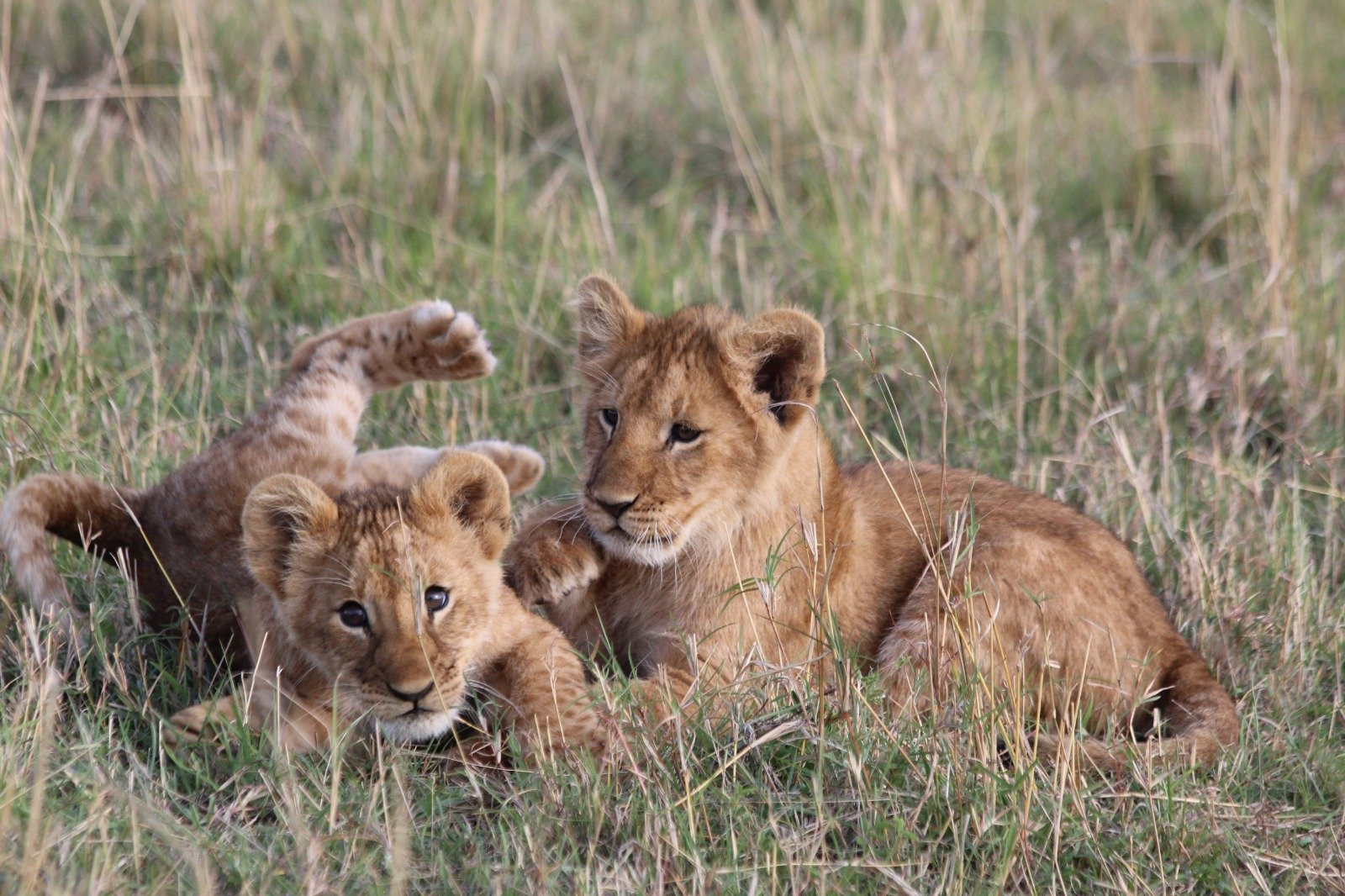
One of the best windows to see wild dog pups at den sites, alongside newborns of other species.

Best for

Wild dog sightings, predator action and lower rates than the dry-season peak.

Keep in mind

Among the hottest months of the year.

The long rains

April to May

The park is at its quietest and greenest, though many camps close for the season.

Best for

Solitude, for the camps that do stay open.

Keep in mind

Limited camp and activity availability — check before booking these months.

The Rufiji River, Nyerere National Park

Beyond boat, drive and walk.

A handful of extras make the most of a river this size and a park this remote.

Fishing on the Rufiji

Catch-and-release fishing for tigerfish and catfish is offered from many camps, usually combined with a boat outing.

A different rhythm to the day, still centred on the river.

Stiegler's Gorge

A dramatic, 100-metre-deep canyon on the Rufiji, best explored by boat where trips run into it.

One of the more memorable single experiences in the park.

Fly-camping

A night or two in a simple mobile camp, usually paired with a walking safari, well away from permanent lodges.

The most immersive way to feel Nyerere's scale after dark.

Hot springs

Natural hot springs within reach of some camps make an easy, low-key addition to a longer stay.

A quiet half-day option between game activities.

Nyerere anchors the south — and reaches the coast.

Unlike Manyara's place on a busy northern loop, Nyerere sits at the heart of the quieter Southern Circuit, with the ocean not far beyond it.

  • Ruaha National Park

    Ruaha and Nyerere anchor Tanzania's southern circuit, connected by scheduled flights and offering a very different landscape to pair with the river.

    The other southern giant

  • Udzungwa Mountains

    A short flight or drive away, adding montane forest, primates and hiking to a river-based itinerary.

    Forest and waterfalls

  • Mafia Island & Zanzibar

    Nyerere combines naturally with the coast — a common way to end a southern circuit trip with diving or simply the beach.

    Bush and beach

  • Dar es Salaam

    Most Nyerere trips start or end with a short flight from Dar es Salaam, or a longer drive for those with time to spare.

    The gateway

Pairing with the other southern giant? Explore Ruaha National Park.

Three ways to build Nyerere into your journey.

These are starting points. Every Dunia Moja safari can be tailored around your dates, pace, accommodation and budget.

A river introduction

2 nights, best in June to October

  1. 1 Arrive by air and settle in for an afternoon boat safari
  2. 2 Morning game drive, afternoon walking safari with your guide
  3. 3 Final morning on the water before departure

Nyerere in full

4 nights, best in June to March

  1. 1 Arrive and take an afternoon boat safari on the Rufiji
  2. 2 Morning game drive into the woodland
  3. 3 Guided walking safari with a bush breakfast
  4. 4 A second boat outing, with a trip toward Stiegler's Gorge where offered
  5. 5 Final morning game drive before departure

Southern circuit & beach

9 to 12 days, best in June to October

  1. 1 Fly into Ruaha for several nights of game drives
  2. 2 Connect by scheduled flight to Nyerere
  3. 3 Boat, drive and walking safaris on the Rufiji
  4. 4 Fly on to Mafia Island or Zanzibar
  5. 5 Beach days before flying home

Good to know before you go.

The questions that matter when planning a Nyerere safari. If yours is not here, ask us.

Is Nyerere the same place as the Selous Game Reserve?

Nyerere National Park was created in 2019 from the northern, tourism-focused part of the former Selous Game Reserve. The Selous name still applies to the remaining reserve area to the south.
With a park this large, why does it feel so uncrowded?

Nyerere is nearly four times the size of the Serengeti but receives a fraction of its visitors, and most activity concentrates in one area near the river — a morning drive can pass without seeing another vehicle.

Can we do a boat safari, a game drive and a walking safari on the same trip?

Yes — most camps build exactly this combination into a stay of three nights or more, and it is one of the things that sets Nyerere apart from parks offering game drives alone.

How likely are we to see wild dogs?

Nyerere holds one of Africa's largest wild dog populations, and sightings are relatively good compared with most parks, especially around denning season from January to March, though nothing in the wild is guaranteed.

Is a walking safari safe?

Walking safaris are led by trained, armed guides who keep a respectful distance from wildlife and are a normal, well-established activity at Nyerere's camps.

How do we get to Nyerere?

Most visitors fly in from Dar es Salaam or connect by scheduled flight from Ruaha or the northern circuit; the drive from Dar es Salaam takes roughly six to seven hours.

Can Nyerere be combined with a beach holiday?

Yes. Nyerere pairs naturally with Mafia Island or Zanzibar, both reachable by short flight, for a classic bush-and-beach itinerary.

See the river three ways.

Tell us when you're travelling and how much time you have. We'll balance boat, drive and walking safaris — and decide how far into the southern circuit to take you.

Start planning