Ruaha National Park landscape

Southern Tanzania

Where the wild still feels endless.

Ruaha is a vast southern wilderness of baobabs, river lines, elephants, big cats and rare antelope. Come for the wildlife. Stay for the feeling of having reached somewhere genuinely wild.

Ruaha at a glance

20,226 km² of wilderness

Baobabs, elephants, predators and southern antelope

The park sits within a much larger ecosystem and feels dramatically different from Tanzania's busier northern safari circuit.

A wilderness measured in distance.

Ruaha is not a park you simply pass through. Its scale, changing habitats and southern character reward a slower safari.

Rivers, rocky country, miombo woodland, open plains and enormous baobabs create a landscape where wildlife can feel close one moment and wonderfully distant the next. The Great Ruaha River and seasonal sand rivers become especially important as the dry season deepens.

Park size
20,226 km², making Ruaha one of Tanzania’s largest national parks.
Location
South-central Tanzania, within the much larger Ruaha-Rungwa ecosystem.
Landscape
Baobab-studded savanna, miombo woodland, rocky kopjes, plains and seasonal rivers.
Main river
The Great Ruaha River is the park’s principal perennial river and a major wildlife lifeline.
Wildlife
Elephants, buffalo, lions, leopards, cheetahs, wild dogs and distinctive southern antelope species.
Birdlife
More than 570 bird species have been recorded in Ruaha.
Park history
Ruaha became a national park in 1964 and was enlarged to its present size in 2008.
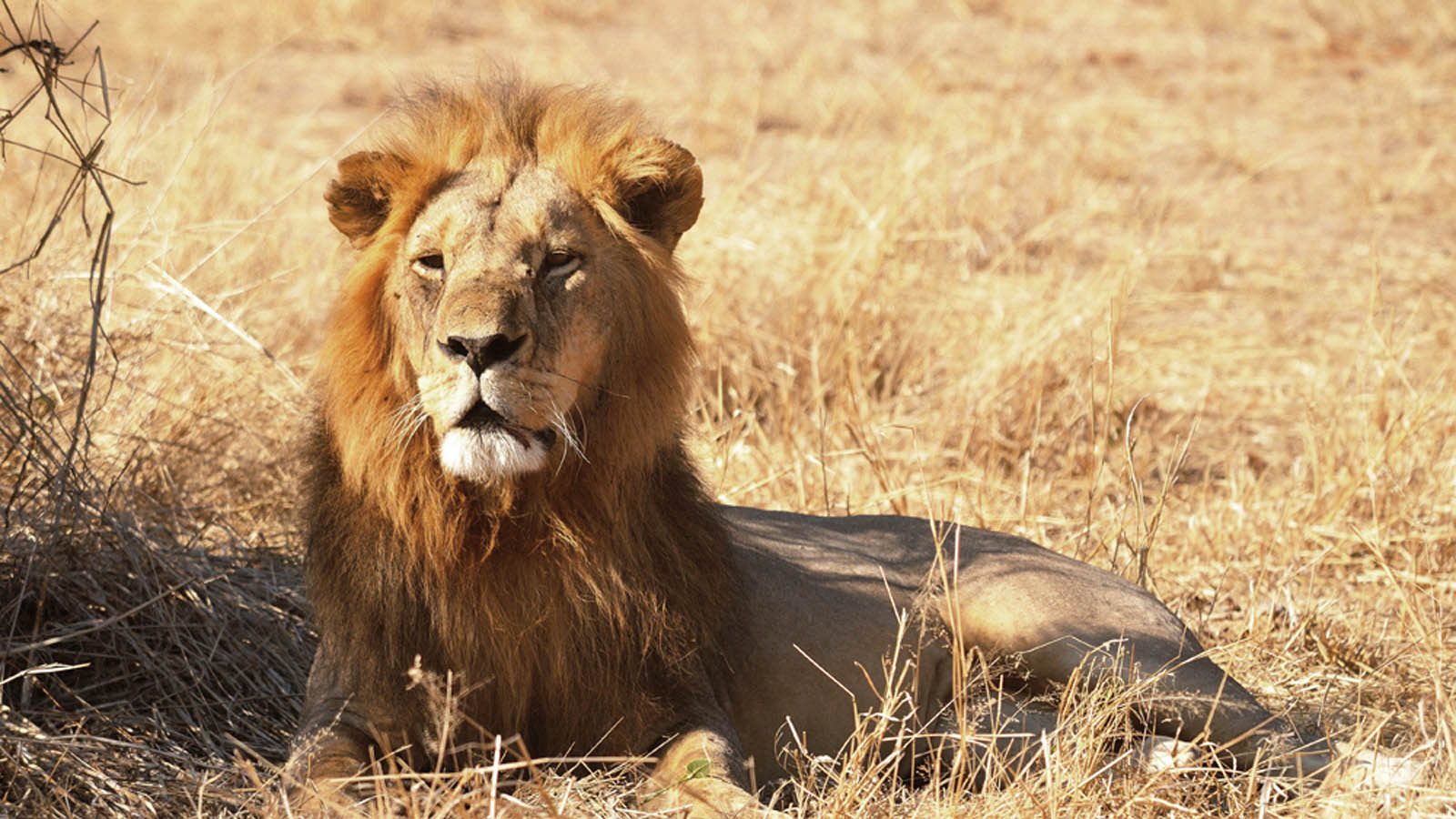
African wildlife and Ruaha-style savanna landscape

The character of Ruaha

Where East Africa meets the south.

  1. 1

    A huge landscape

    Ruaha covers 20,226 km², with a much larger ecosystem surrounding the park.

  2. 2

    Water shapes the safari

    The Great Ruaha and seasonal river systems concentrate life as the dry season progresses.

  3. 3

    Southern species meet northern ones

    Kudu, sable and roan share the landscape with elephant, buffalo, lion, leopard, cheetah and wild dog.

Follow a Ruaha safari, hour by hour.

A Ruaha day has a rhythm of its own: early predators, river lines, wide landscapes, a slower midday and a second burst of life as the temperature falls.

Ruaha: river lines • woodland • open plains • baobabs 1 First light 2 River lines 3 Baobab country 4 Predator country 5 Midday shade 6 Kudu country 7 Golden hour

Eastern Ruaha, before the heat builds

First light on the plains

About 06:00

The day begins cool and quiet. Golden light moves across the baobabs and open grass while predators are still active and elephants begin to leave their night resting places.

What to look for

  • Lions returning from a night hunt
  • Elephants moving between woodland and open country
  • Baobab silhouettes in the morning light

A guide’s tip

Start early. The first hours are often the most comfortable and productive for wildlife viewing.

The animals that make Ruaha different.

Ruaha is not only about the Big Five. Its real character comes from the combination of predators, elephants and southern antelope species.

The great herds

Ruaha’s huge scale allows large concentrations of wildlife, particularly around water in the dry season.

  • Elephant

    One of Ruaha’s defining animals, with herds gathering around river lines and remaining water.

  • Buffalo

    Large herds move across plains, woodland and river country.

  • Zebra and wildebeest

    Open-country grazers found across suitable grassland.

  • Giraffe

    Commonly seen browsing among woodland and acacia-like vegetation.

  • Hippo and crocodile

    Found around permanent pools and sections of the Great Ruaha and other watercourses.

Predator country

Ruaha’s mixture of open plains, river lines and woodland supports an impressive predator community.

  • Lion

    Large prides are one of the park’s signature wildlife experiences.

  • Leopard

    Secretive cats often associated with thicker vegetation and riverine cover.

  • Cheetah

    Best looked for in more open country where they can use speed.

  • African wild dog

    A special sighting in Ruaha, with packs ranging widely through the ecosystem.

  • Spotted hyena

    A versatile predator and scavenger found across the park.

Southern specialties

Ruaha sits where eastern and southern African wildlife zones overlap.

  • Greater kudu

    A Ruaha signature, especially around woodland and thicker vegetation.

  • Lesser kudu

    Ruaha is notable for being near the southern limit of its range.

  • Sable antelope

    A striking woodland antelope and one of the park’s special sightings.

  • Roan antelope

    Another distinctive southern species that can occur in Ruaha.

  • Rich birdlife

    More than 570 species, including raptors, hornbills, bee-eaters and seasonal migrants.

Ruaha changes with the rain.

The dry and wet seasons create very different safari landscapes. Your ideal month depends on whether you value concentrated wildlife, green scenery, birding or a quieter atmosphere.

The dry season

June to October

Dry landscapes, cooler mornings and wildlife increasingly concentrated around remaining water sources.

Best for

Classic game viewing, predators and elephant concentrations.

Keep in mind

Midday can be very hot and some areas become extremely dry.

The early green season

November to December

Rain begins to transform the landscape, bringing fresh grass, dramatic skies and renewed activity.

Best for

Green scenery, birdlife and fewer vehicles.

Keep in mind

Rain can affect tracks and some areas may become harder to access.

The green season

January to February

Lush vegetation, young animals and excellent birding create a very different Ruaha.

Best for

Photography, birding and green landscapes.

Keep in mind

Wildlife can be more dispersed because water is widespread.

The long rains

March to May

The park is at its greenest, with dramatic storms and seasonal rivers flowing again.

Best for

Quiet wilderness, landscapes and migratory birds.

Keep in mind

Some safari roads and camps operate with seasonal limitations.

African river and savanna landscape

The Great Ruaha River

Follow the water and the wildlife follows.

The Great Ruaha is one of the defining features of the park. As the dry season advances, remaining pools and river channels become increasingly important to elephants, predators, hippos, crocodiles and birds.

Water

A seasonal lifeline

Wildlife

Concentrated in dry months

Light

Exceptional at sunrise and sunset

Ruaha is part of a bigger southern story.

Stay with the wilderness or connect Ruaha to mountains, rivers and other southern Tanzania landscapes.

  • Nyerere National Park

    Combine Ruaha with Tanzania’s great river-and-wetland wilderness around the Rufiji. Game drives, boat safaris and walking experiences create a very different southern safari.

    A southern circuit pairing

  • Udzungwa Mountains

    Add a change of scenery with forest, mountain trails and waterfalls in the Eastern Arc landscape.

    Mountains and forests

  • Iringa highlands

    Extend the journey beyond wildlife with highland scenery, local history and the dramatic landscapes around Iringa.

    Culture and landscape

  • Ruaha-Rungwa ecosystem

    Ruaha is part of a much larger ecosystem. The surrounding protected landscape helps explain why the park feels so vast and remote.

    A larger wilderness

Want a different southern safari? Explore Nyerere National Park.

Three ways to build Ruaha into your journey.

These are starting points. Every Dunia Moja safari can be tailored around your dates, pace, accommodation and budget.

Ruaha in depth

3 nights, best in June to October

  1. 1 Arrive in Ruaha and settle into camp near the park
  2. 2 Full-day game drive through river, baobab and open-plains country
  3. 3 Early game drive, rest at camp, then an afternoon predator circuit
  4. 4 Final morning safari and onward travel

Southern Tanzania

6 to 8 days, best in June to October

  1. 1 Fly or drive into Ruaha
  2. 2 Explore Ruaha’s river lines, plains and woodland
  3. 3 Continue south toward Nyerere National Park
  4. 4 Experience the Rufiji by boat and vehicle
  5. 5 Return by road or scheduled flight

Ruaha & mountains

5 to 7 days, best in Most seasons

  1. 1 Ruaha game drives and wildlife photography
  2. 2 Slow safari morning and afternoon predator drive
  3. 3 Transfer toward the Iringa / Udzungwa region
  4. 4 Mountain walking, forest or waterfall experience
  5. 5 Return to Dar es Salaam or onward connection

Good to know before you go.

The questions that matter when planning a Ruaha safari. If yours is not here, ask us.

What is Ruaha known for?

Ruaha is known for its vast wilderness, elephants, large lion prides, distinctive kudu and other southern African species, baobab landscapes, river systems and a strong sense of remoteness.

What animals can we see in Ruaha?

Elephant, buffalo, lion, leopard, cheetah, African wild dog, giraffe, zebra, wildebeest, hippo, crocodile, greater and lesser kudu, sable and roan are among the important sightings.

When is the best time to visit Ruaha?

The dry season from June to October is generally strong for concentrated wildlife viewing around water. The wetter months bring greener landscapes, birdlife and a different photographic experience.

Can we do a walking safari?

Guided walking safaris operate in designated areas and must follow current park rules and authorized guiding requirements. We can build a walking experience into an itinerary where regulations and conditions allow.

Is Ruaha crowded?

Ruaha is a very large park and is generally associated with a quieter, more remote safari atmosphere than Tanzania’s busiest northern destinations. Visitor density still varies by season and location.

How long should we spend in Ruaha?

Three nights gives a good introduction, while four or more nights allows a slower pace and more time to explore different habitats and search for special sightings.

Can Ruaha be combined with another safari?

Yes. Ruaha works naturally within a southern Tanzania itinerary, especially when paired with Nyerere National Park or other destinations around the southern circuit.

Let Ruaha take you somewhere wild.

Tell us when you are travelling, how many days you have and what kind of safari you want. We will shape your Ruaha journey around the experience you want to have.

Start planning