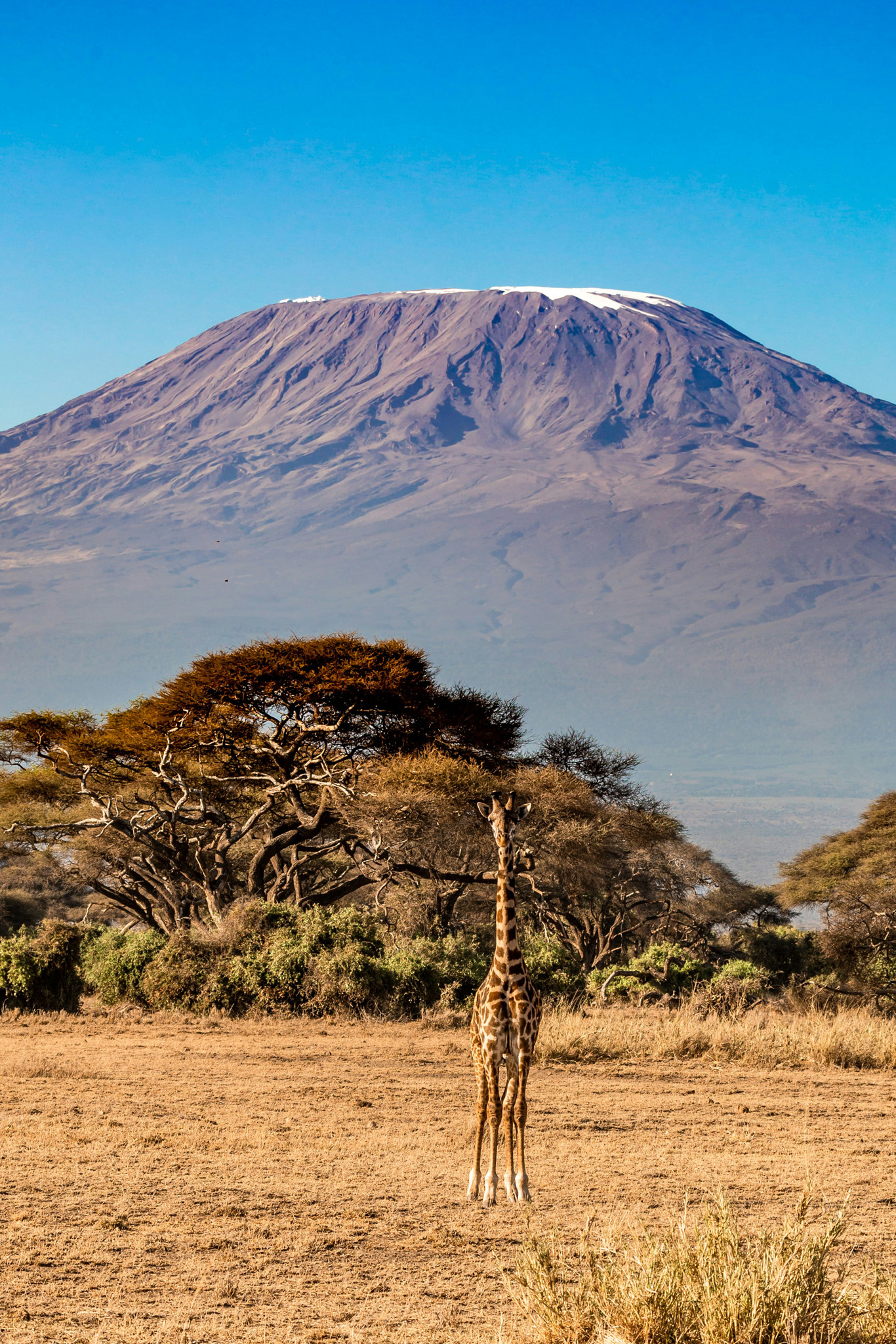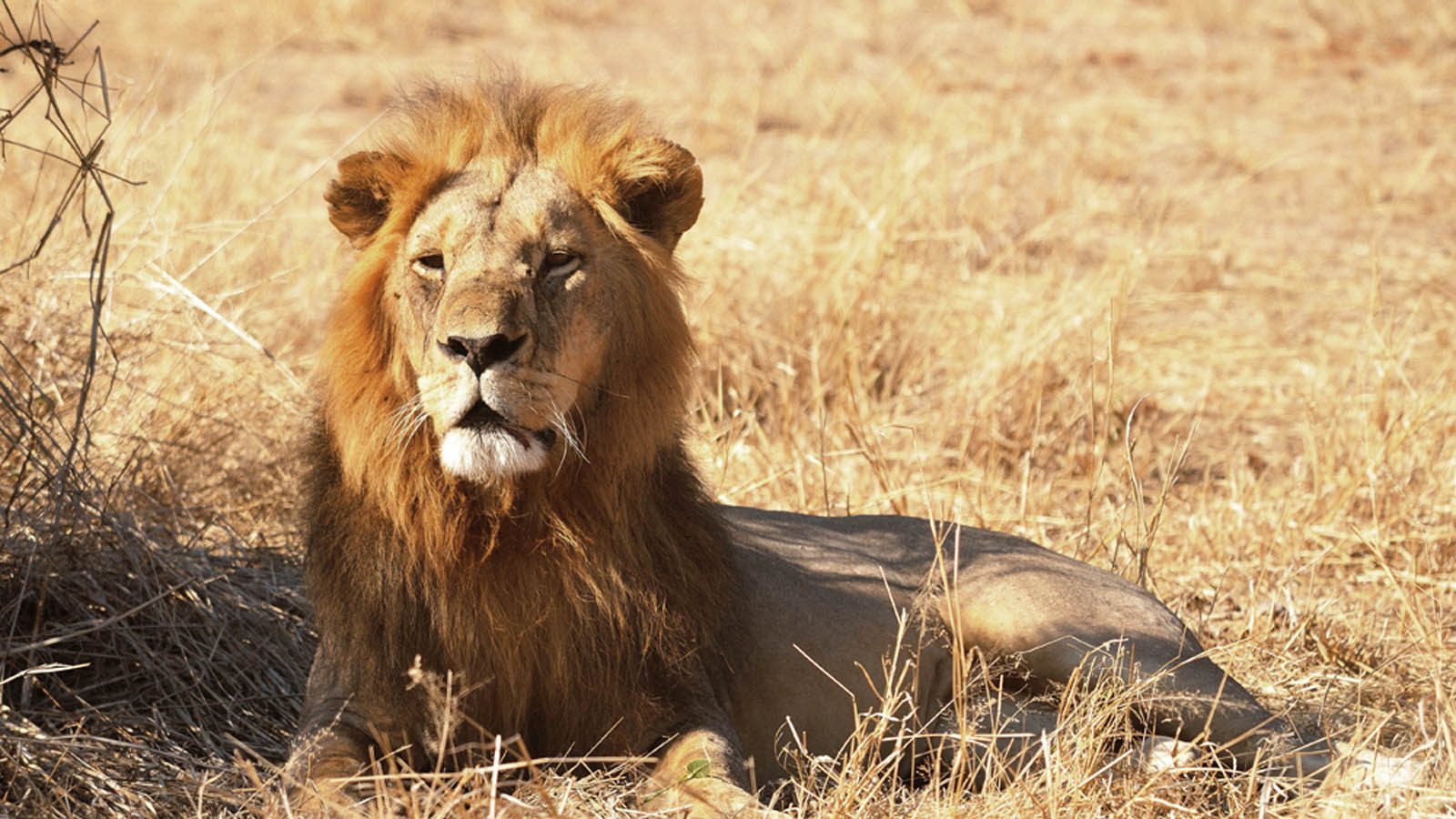

The Great Migration is not a single event. It is a continuous loop in which well over a million wildebeest, together with zebra and gazelle, move through the Serengeti and into Kenya’s Maasai Mara in search of fresh grass and water. Where you stay depends on the month you travel.
January to March: calving on the southern plains
The herds gather on the short-grass plains around Ndutu. Most calves are born in February, and the sudden abundance draws lions, cheetah and hyenas. It is one of the best times for dramatic predator action.

April to June: moving north
As the rains end, the herds stream north-west through the central and western Serengeti. The rut takes place around May and June, and the Grumeti River can offer crossings in the western corridor. This is a quieter, greener time with lower rates.
July to October: the northern Serengeti
Herds reach the Mara River and cross between Tanzania and Kenya. Crossings are dramatic but unpredictable, so we recommend a few nights in the north rather than a single visit. This is also peak season for general game viewing.
November and December: heading south
With the short rains, the herds travel south again through the eastern Serengeti and prepare to calve. Landscapes turn green and crowds thin out.
A few practical tips
- The herds follow the rain, so dates are guides, not guarantees.
- Choose camps close to where the herds are expected, to save time on the road.
- Allow at least three nights in the Serengeti, and more if you want to move between regions.
We watch the herds all year and will recommend the right region and camp for your dates.