
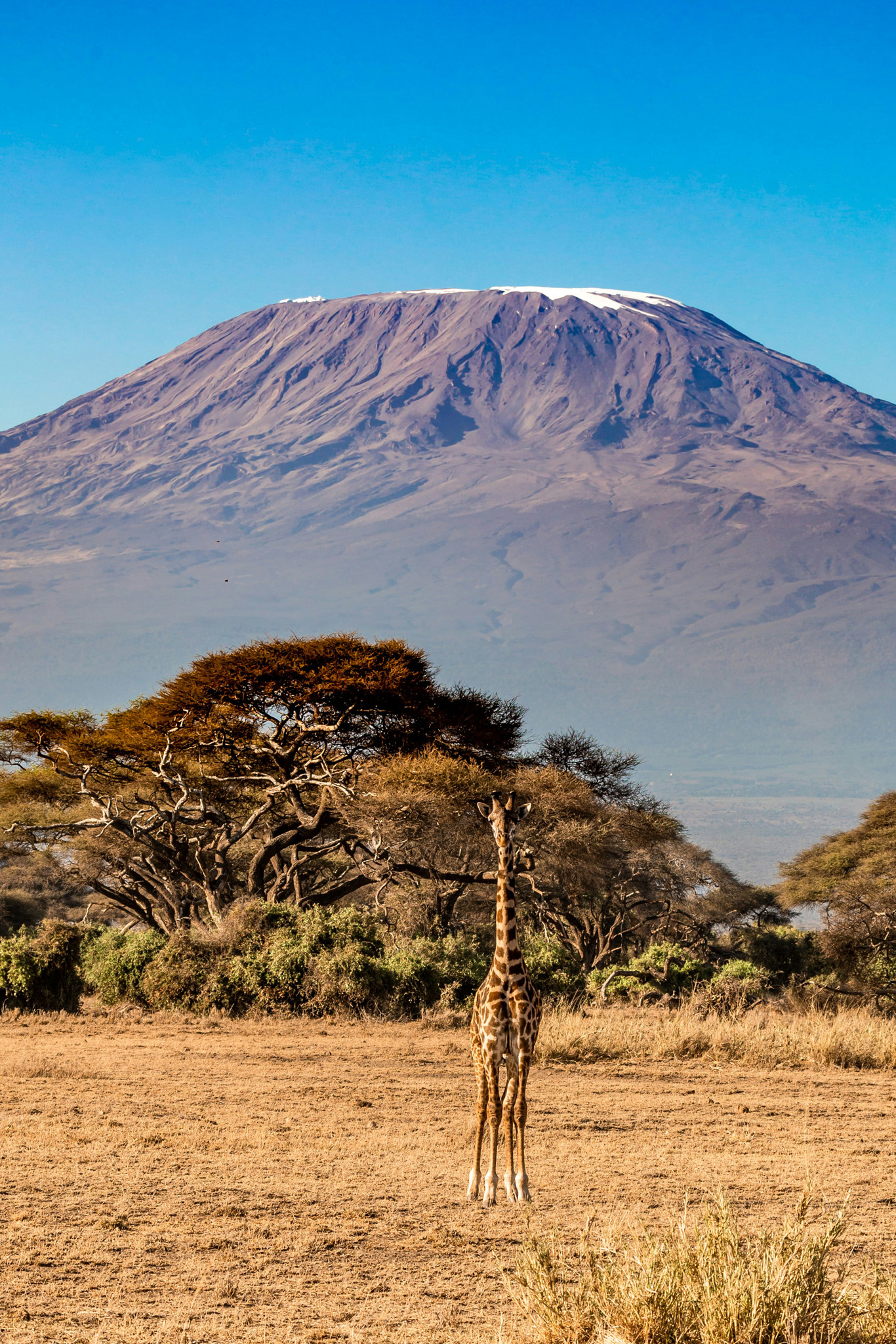
Kilimanjaro rises to 5,895 metres and is the highest mountain in Africa. It is a trek, not a technical climb, so most reasonably fit people can reach the top. What decides success is mostly how well you handle altitude, and that depends on route choice, pace and preparation.
Choose a longer route
The more days you spend on the mountain, the better your body adjusts. Routes of seven to nine days, such as Lemosho or the Northern Circuit, usually give higher summit success than shorter ones. Walking slowly, or pole pole as the guides say, is the single most useful habit.
Train for long, steady days
Start eight to twelve weeks before you travel. Build up regular hikes with a loaded daypack, and include stairs, hills and long walks on consecutive days. Cardio fitness helps, but the aim is endurance, not speed.
Pack for four seasons
- Broken-in waterproof hiking boots and warm socks.
- Layers: base layer, fleece, insulated jacket and waterproof shell.
- Warm hat, gloves and a headlamp for summit night.
- A sleeping bag rated for low temperatures, which can be hired.
- Sunscreen, sunglasses and a refillable water bottle or bladder.
Look after yourself on the mountain
Drink plenty of water, eat even when you are not hungry and tell your guide about any headache, nausea or dizziness. Guides check oxygen levels daily and know when it is time to rest or turn back. Summit night is cold and long, so mental determination matters as much as fitness.
Talk to your doctor
Check with a doctor before you go, particularly about altitude medication and any health conditions. We can advise on route, gear, crew and a realistic training plan for your date.