Hippo and crocodile concentrations
Dry-season pools can hold large numbers of hippos and crocodiles.

Wildlife Parks · Western Tanzania
Remote, wild and rarely visited.
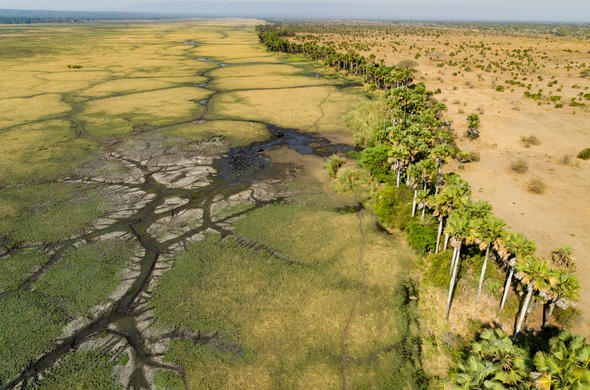
Katavi National Park lies in the far west of Tanzania and is one of the country’s most remote and least visited parks. Its seasonal floodplains, miombo woodland and winding rivers feel like Africa as it was a century ago.
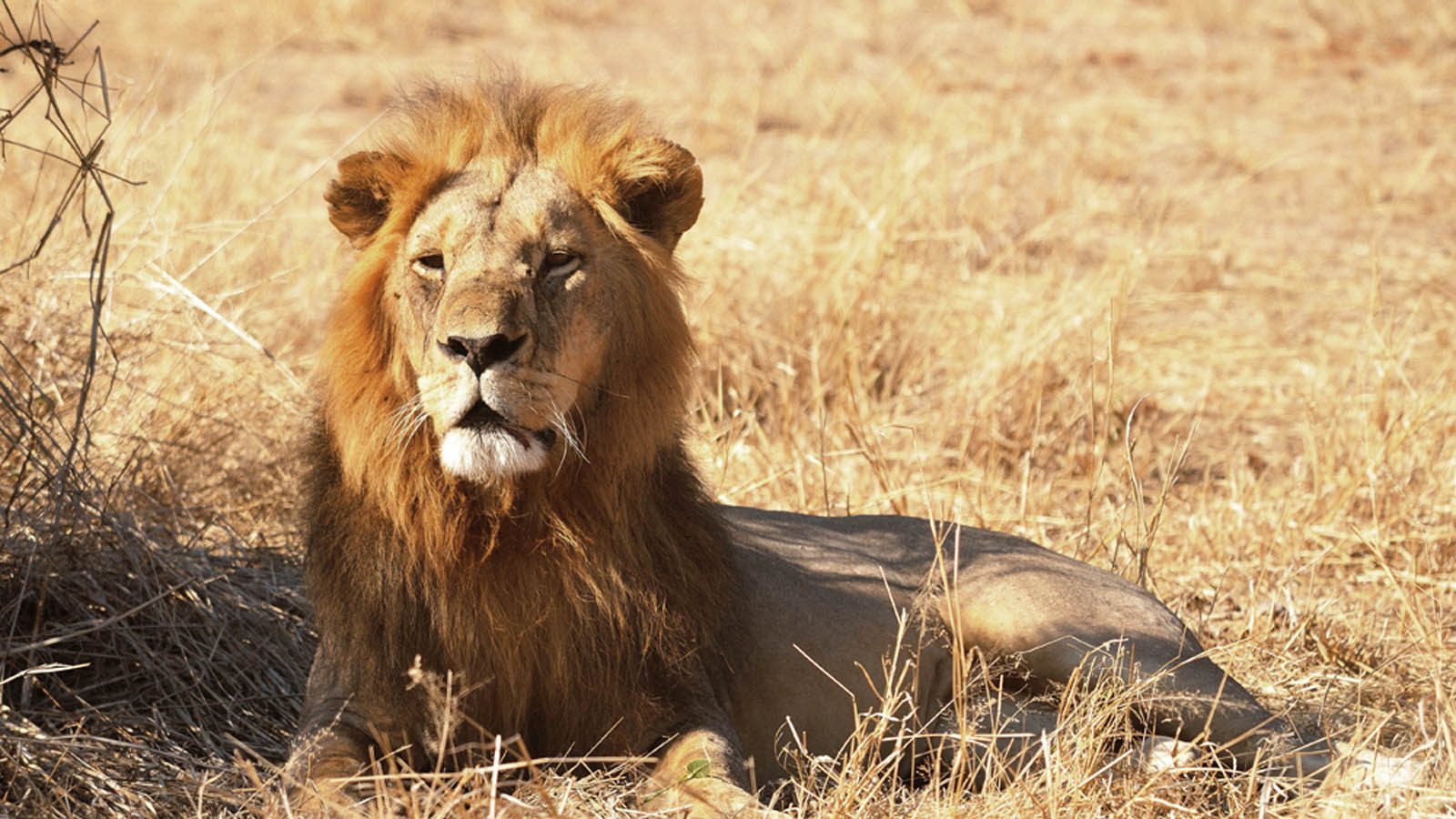
In the dry season, shrinking water brings wildlife into extraordinary concentrations. Hippos crowd into pools by the dozens, crocodiles lie in wait, and buffalo gather in large herds on the plains. Lions follow the herds, and elephants, giraffe and antelope share the shrinking waterholes.
There are very few camps and very few vehicles. For travellers who want a wild, uncrowded safari, and who are happy to fly into a bush airstrip, Katavi is hard to beat.
Highlights
Dry-season pools can hold large numbers of hippos and crocodiles.
Herds on the open plains are among the biggest in the country.
Few camps and little traffic give a rare sense of being alone with the wildlife.
Combine bush and chimpanzees in one remote journey.
Experiences
Look for buffalo, lions, elephants, zebra, giraffe and antelope.
Spend time beside pools where hippos jostle and fight, with crocodiles close by.
Guided walks with an armed ranger for a closer look at the bush.
Waterbirds on the floodplains and woodland species make for rewarding birding.
What you may see
Hippo, crocodile, buffalo, lion, elephant, giraffe, zebra, topi, roan antelope, sable antelope, eland and a rich variety of birds, including storks, herons and bee-eaters.
Wildlife is wild. Sightings depend on season, weather and luck, and your guide will always put you in the best position.
Planning
The best time by far, as wildlife concentrates on the rivers and pools.
Still rewarding, with fewer people, though some camps may be closed.
The park floods and most camps close. We do not recommend travelling then.
Katavi is reached by a light aircraft from Arusha, Ruaha, Mahale or Dar es Salaam, usually a long flight with a connection. Road access is very long and rough, so flying is strongly recommended. We arrange flights and transfers.
A handful of tented camps operate in the dry season. They are small and well run, generally with game drives and walks included. Stay at least three nights to make the journey worthwhile.
Itineraries
Combine it with
Good to know
Still unsure? Send us your question and a planner will answer personally.
It is remote and takes time to reach, and it has only a few camps. This is what keeps it wild and uncrowded.
Tsetse flies are present in some areas, particularly in the dry season. Light-coloured long sleeves and insect repellent help.
Yes. The two are popular as a pair, with a short flight between them.
Tell us when you want to travel and what you hope to see. We will reply with a plan.